
Rachel
-
Third Quarter: When Grit Matters More Than Perfection
There is something uniquely heavy about the third quarter of the school year. The novelty of a new beginning has long worn off, and the promise of summer feels distant and unreal. There are fewer natural breaks to reset and recharge, and the calendar seems to demand more while offering less rest. It is often
-
The Ancient World That Lived On in the Middle Ages
The Middle Ages are often misunderstood as a time when learning and culture disappeared after the fall of Ancient Rome. However, historians argue that this view is inaccurate. In the opening chapter of A History of the Middle Ages, Joseph D’Amius explains that the medieval world did not emerge from chaos but grew directly out
-
The Heroic Battle of the Horatii Brothers
When teaching Latin, we are not simply teaching vocabulary and grammar. We are teaching a culture, a worldview, and a people who shaped much of Western history. One story that brings all of this together is the account of the Horatii and the Curatii, recorded by the Roman historian Livy in Ab Urbe Condita. It
-

Teaching Latin Adjectives: From Agreement to Application
The study of Latin adjectives requires an understanding of their agreement with nouns in gender, number, and case. Mastery of this principle is essential for reading and translating Latin accurately, as adjectives carry information about the nouns they modify. This article presents a structured approach for middle to high school students, beginning with foundational adjectives
-
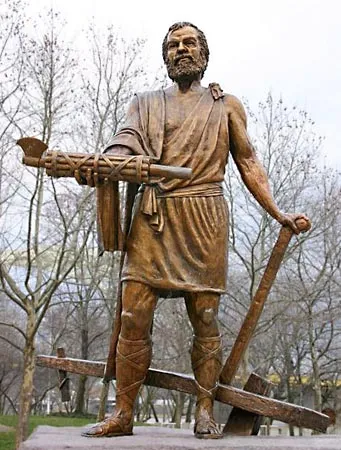
Cincinnatus and the Spirit of American Leadership
In the long arc of Roman history, few figures embody the virtus (moral excellence) and pietas (duty) of the Republic like Lucius Quinctius Cincinnatus. Living in the 5th century B.C., Cincinnatus became the symbol of civic duty and humility, a man who accepted absolute power only to relinquish it once his duty was fulfilled. His
-
The Wonderful Gift of Help
It is not easy to accept help.For homeschoolers, stay-at-home moms, and teachers, the pressure to “hold it all together” can feel relentless. We live in a culture that praises self-sufficiency and productivity, but God never designed us to bear every burden alone. Even the earliest Christian communities modeled mutual support, sharing resources, and praying for
-
Lessons from My Father: Celebrating 70 Years of Faith
This week I celebrated something more than a birthday. I celebrate my father. My father turns 70 this year, and as I reflect on his life, I can’t help but think of the way he has faithfully preached the Word of God throughout his ministry. My dad isn’t just my father—he’s my pastor. And the
-
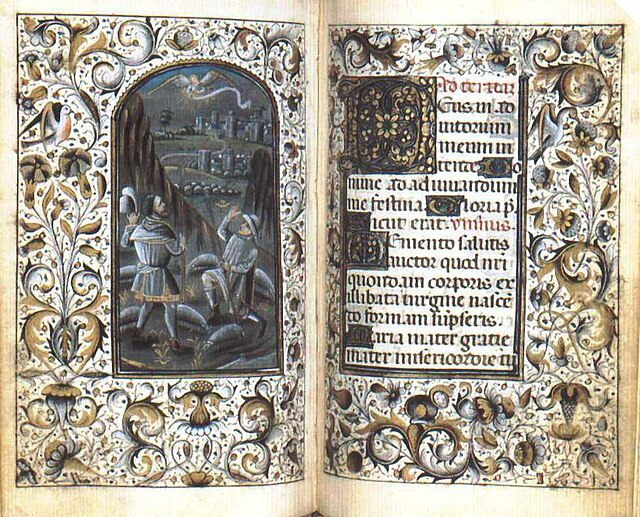
How Medieval Students Were Tested: Lessons From the Past
When we picture medieval education, candlelight, Latin, and debate often come to mind. But what did schooling actually feel like, and how did students prove their learning? These snapshots from original or near-contemporary sources help us see past the blur. Who Went to School & What They Learned In the early Middle Ages (c. 500–1000
-

How to Curate a Brilliant Library for Home and School
Editor’s Note: This post features insights from an experienced Lutheran school librarian who has chosen to remain anonymous. Her words are quoted directly, and her perspective reflects years of work curating a K–8 library within a Lutheran, classically oriented school setting. Cultivating Your Library – At Home or School A strong library is not an
-

Atilla the Hun and the Power of Latin and Greek
When most people hear the name Attila the Hun, they picture a ruthless barbarian — a horse-riding conqueror sweeping across Europe, burning and pillaging everything in his path. For centuries, he has been called “The Scourge of God.” But what if we could step back into the 5th century and hear from people who actually